New: AI Voice Cloning Scams: Protect Your Money in 2026 →
Topic
Credit and debt management

Build stronger credit and a practical debt payoff plan

Credit and debt affect borrowing costs, monthly cash flow, and the financial options available to you. Start with accurate information: understand what appears on your credit reports, keep payments current when possible, and choose a repayment strategy that fits your budget. The complete credit and debt management guide provides a useful starting framework.

Understand your credit reports

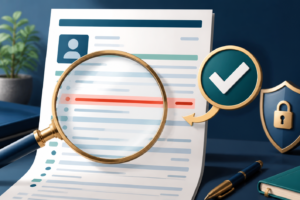
Review reports for accounts you do not recognize, incorrect late payments, outdated balances, or personal information that does not belong to you. Follow the guide to reading your credit report and disputing errors before applying for important financing. Focus on durable habits: pay on time, keep revolving balances manageable, avoid unnecessary applications, and monitor your reports.

Manage credit utilization

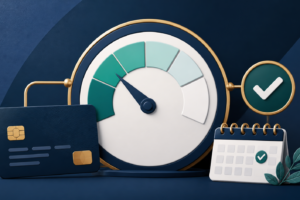
Credit utilization compares revolving balances with available limits. Carrying a balance and paying interest is not required to build credit. These credit utilization strategies explain how statement balances and payment timing can affect reported utilization.

Choose a debt payoff method

The avalanche method targets the highest interest rate first; the snowball targets the smallest balance. Compare them in Debt Snowball vs. Debt Avalanche, then use the Debt Payoff Calculator to estimate timelines and extra-payment scenarios. Continue required minimum payments on every account. If payments are becoming unmanageable, contact creditors early and consider a reputable nonprofit credit counselor.

Common credit and debt questions

Do I need to carry a balance to build credit?

No. Carrying a balance can create interest charges. Regular use followed by on-time payment can establish history without revolving debt.

Which debt should I pay first?

Highest-interest-first generally saves more money; smallest-balance-first may provide faster motivation.

Will checking my own credit hurt my score?

Reviewing your own report or score is generally a soft inquiry and does not affect credit scores.

How often should I review my reports?

Review them regularly, before major applications, and promptly after suspected identity theft.

Credit & Debt

Take control of credit and debt.

Understand your credit, compare payoff strategies and make borrowing decisions with confidence.

Helpful context

Frequently asked questions

Clear answers to common questions about credit & debt.
Should I save money or pay off debt first?

Many people begin with a small emergency cushion while making required payments, then direct additional money toward expensive debt. The right balance depends on interest rates, stability and near-term needs.

What information affects a credit score?

Common factors include payment history, amounts owed, account age, credit mix and recent applications. The exact weighting depends on the scoring model.

Which debt payoff method is best?

The avalanche method prioritizes higher interest rates, while the snowball method prioritizes smaller balances. The better choice is the approach you can follow consistently.

The Tuesday Money Note

Financial clarity for every stage of life

One useful idea, one practical next step, and no financial jargon. Delivered free every Tuesday.

No spam. Unsubscribe whenever you like.