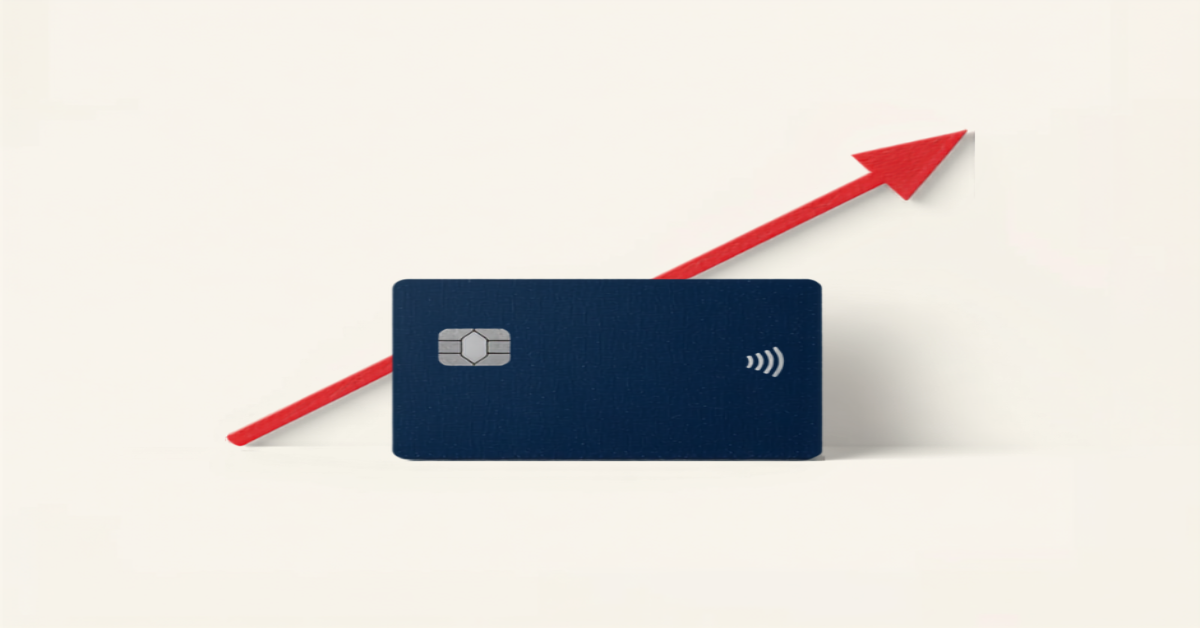
Credit card debt in the U.S. has climbed to $1.25 trillion, and delinquencies are now at their highest level since the aftermath of the 2008 financial crisis. If your balances have been creeping up, you’re far from alone — but that also means it’s a good time to get ahead of the problem before it compounds. Here’s what’s happening with credit card debt in 2026 and practical steps to protect your finances.
The State of Credit Card Debt in 2026
Total U.S. credit card balances stand at roughly $1.25 trillion, according to data from the Federal Reserve Bank of New York’s Household Debt and Credit Report. More concerning than the balance total is the delinquency rate: about 13.12% of credit card balances are now 90 or more days past due, a level not seen in roughly 15 years.
Average credit card APRs have also climbed to just over 20% across all accounts, and even higher for cardholders carrying revolving balances. Combined with billions of dollars in annual interest and fees, this has become one of the most expensive periods for consumer debt in modern history.
Why This Is Happening
Inflation Outpacing Wages
Analysts increasingly describe what’s happening as “survival debt” — consumers relying on credit cards not for discretionary spending, but to cover essentials like groceries, utilities, and rent as living costs continue to rise faster than paychecks. The Consumer Price Index has shown its largest annual increase in several years, with shelter, food, and energy costs all contributing.
An Uneven Recovery
The pain isn’t distributed evenly. Higher-income households are generally managing their balances fine, while lower- and middle-income households are seeing a disproportionate rise in delinquencies — a pattern often called the “K-shaped” economy, where different income groups experience very different financial trajectories at the same time.
How to Protect Yourself Right Now
Know Your Real Numbers
Start by listing every card, its balance, its APR, and its minimum payment. It’s uncomfortable, but you can’t fix what you haven’t measured. This is also a good moment to pull your full credit report and check for errors, outdated accounts, or anything that could be quietly dragging your score down — see our guide on building credit step by step for a refresher on how the scoring factors work.
Attack High-APR Balances First
With average APRs above 20%, the debt avalanche method — paying minimums on everything but throwing extra money at your highest-rate card first — will generally save you the most money over time. If you have strong credit, a 0% balance transfer card or a fixed-rate personal loan for consolidation can also meaningfully cut your interest costs, though transfer fees (typically 3-5%) need to be factored into the math.
Call Your Issuer Before You Miss a Payment
Credit card companies often have hardship programs — temporarily lower rates, waived fees, or adjusted due dates — but most only offer them if you reach out proactively, not after you’re already 60 or 90 days behind. A five-minute phone call can prevent a late payment from ever hitting your credit report.
Rebuild an Emergency Buffer, Even a Small One
A big driver of “survival debt” is having zero cushion when an unexpected expense hits. Even $500-$1,000 set aside in a separate savings account can keep a car repair or medical bill from landing straight on a credit card. Automate a small transfer each payday so it happens before you have a chance to spend it.
Consider Nonprofit Credit Counseling
If balances feel unmanageable, a nonprofit credit counseling agency (look for ones accredited by the National Foundation for Credit Counseling) can review your full financial picture for free and, if appropriate, set up a debt management plan with reduced interest rates negotiated directly with your creditors.
How Rising Debt Affects Your Credit Score
Carrying higher balances doesn’t just cost you in interest — it can also hurt your credit score through a factor called credit utilization, which is the percentage of your available credit you’re actually using. Utilization above 30% on any individual card, or across all your cards combined, tends to drag your score down, even if you’re never late on a payment. If your balances have crept up, paying down utilization can improve your score noticeably within a single billing cycle, since card issuers typically report balances monthly.
Debt Avalanche vs. Debt Snowball: Which Should You Use?
The debt avalanche method (highest APR first) saves the most money mathematically, which matters more than ever with average APRs above 20%. The debt snowball method (smallest balance first, regardless of rate) sacrifices some interest savings but builds momentum by eliminating whole accounts faster, which research on financial behavior suggests helps some people stick with a payoff plan longer. If you’re disciplined about following a spreadsheet, avalanche will save you more. If you’ve struggled to stay motivated with debt payoff in the past, snowball’s quick wins may get you further in practice.
Watch Out for Debt Settlement Companies
As delinquencies rise, so does advertising from for-profit debt settlement companies promising to negotiate your balances down for a fee. These programs typically instruct you to stop paying your creditors entirely while fees accumulate, which can tank your credit score and lead to collections calls or lawsuits before any settlement is reached. A nonprofit credit counseling agency is almost always a safer first stop, since their services are typically free or low-cost and don’t require you to intentionally miss payments.
Bottom Line
Record credit card debt and rising delinquencies reflect a genuinely tougher financial environment for a lot of households, not a personal failure. The response that actually works is the boring one: know your numbers, prioritize your highest-interest balances, ask for help before you’re behind, and rebuild even a small cash cushion so the next surprise expense doesn’t have to go on plastic.
This article is for educational and informational purposes only and does not constitute personalized financial, legal, or tax advice. Please consult a licensed financial advisor or accredited credit counselor about your specific situation.



Leave a Reply