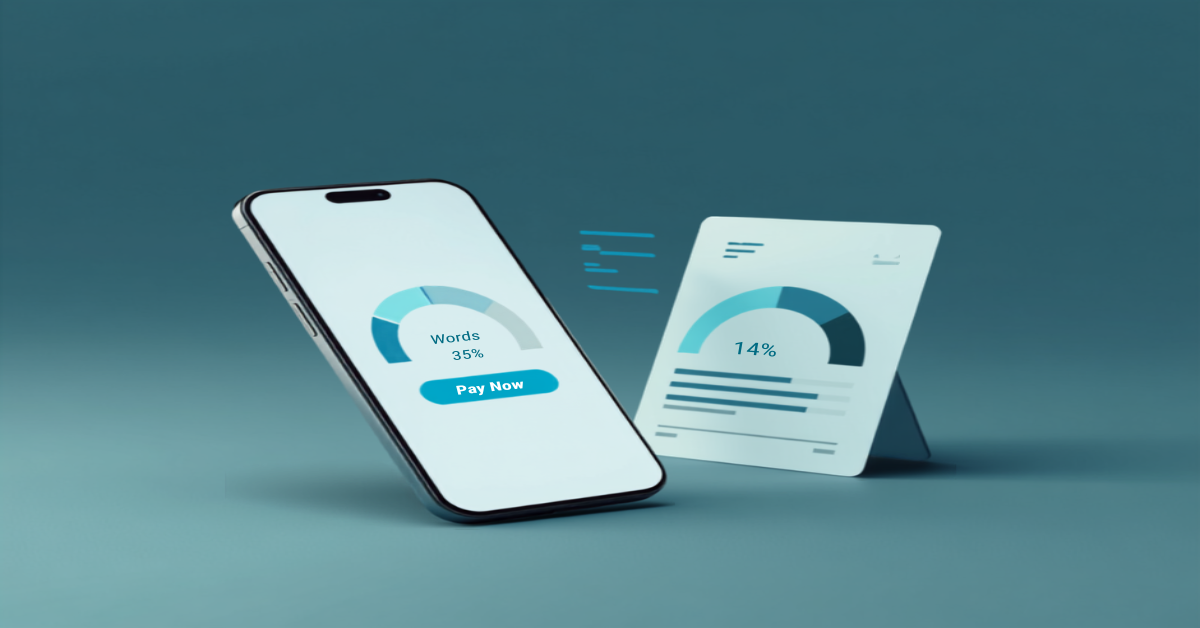
For years, Buy Now, Pay Later apps like Klarna, Affirm, and Afterpay operated in a kind of credit blind spot: you could rack up several interest-free installment loans at checkout without any of it showing up on your credit report. That’s changing fast. In 2026, BNPL activity is being woven directly into your credit score for the first time, and it could move your number up or down depending on how you’ve been using these apps.
If you’ve splurged on a “four easy payments” checkout button more than once this year, here’s what the shift means for your credit and how to come out ahead of it.
What’s Actually Changing
FICO, the company behind the credit scoring models used in the vast majority of U.S. lending decisions, has rolled out new scoring versions called FICO Score 10 BNPL and FICO Score 10 T BNPL. For the first time, these models pull in data on your Buy Now, Pay Later accounts: how many you’ve opened, how often you use them, and whether your payments are on time.
Major BNPL providers, including Affirm and Klarna, have started reporting account activity to credit bureaus like Experian and TransUnion. That data doesn’t appear on older-style credit reports the way a credit card or auto loan does, but it’s increasingly available to lenders who pull the newer scoring models.
This rollout is gradual. Many lenders still rely on older FICO versions that ignore BNPL entirely, so you may not notice any change to your score right away. But as more banks, auto lenders, and mortgage underwriters adopt the newer models, BNPL history will carry more and more weight in lending decisions.
Why This Matters for Your Wallet
BNPL plans have exploded in popularity because they feel low-risk: no interest (usually), simple installments, and instant approval. That ease of access is exactly why regulators and lenders started paying closer attention. Consumer research has repeatedly found that a meaningful share of BNPL users are already financially stretched and are using pay-over-time plans to cover essentials rather than discretionary purchases — a pattern that starts to look a lot like revolving debt.
Once that activity shows up in your credit file, it cuts both ways:
- On-time BNPL payments could help your score. If you consistently pay installments on schedule, that responsible behavior can now count in your favor, similar to a strong credit card payment history.
- Juggling multiple BNPL loans at once could hurt it. Opening several plans in a short window, or missing payments, signals risk to lenders — even if each individual purchase felt small.
- Missed or late payments will matter more. Historically, a missed BNPL payment might only trigger a late fee. Under the new scoring models, it can also ding your credit profile the way a missed credit card payment would.
How to Protect Your Score as BNPL Reporting Expands
1. Treat BNPL like real debt
It’s easy to mentally file a $37.50 installment as “not really debt.” Once it’s tied to your credit file, it functionally is. Track BNPL balances the same way you track credit card balances, and factor upcoming installments into your monthly budget before you check out.
2. Avoid stacking multiple plans
Using three or four different BNPL apps at once, even for small purchases, can look like a red flag to lenders reading the newer scoring models. If you rely on BNPL regularly, consider consolidating to a single provider so your payment history is easier to track (and reads more cleanly to a lender).
3. Set payment reminders
BNPL due dates don’t always land on the same schedule as your other bills, which makes them easy to miss. Turn on autopay or calendar reminders for every installment plan you open.
4. Check your credit report
You’re entitled to a free credit report from each of the three major bureaus at AnnualCreditReport.com. As BNPL reporting expands, review your reports periodically to see whether installment accounts are showing up and whether the information is accurate.
5. Don’t let “0% interest” distract from cash flow
BNPL’s biggest selling point is that many plans charge no interest if you pay on time. That’s genuinely useful for spreading out a large, planned purchase. It’s a different story when BNPL becomes a way to afford things your monthly budget doesn’t actually support. If you’re leaning on installment plans to cover groceries, gas, or other essentials, that’s a signal to revisit your broader debt picture and budget, not just your BNPL habits.
What to Watch Next
Expect the rollout to keep expanding through 2026 and into 2027 as more lenders adopt the newer FICO models and as VantageScore, FICO’s main competitor, continues developing its own approach to alternative credit data. The Consumer Financial Protection Bureau has also signaled ongoing interest in how BNPL products are disclosed and regulated, so additional rules around transparency and dispute rights are possible.
Bottom Line
Buy Now, Pay Later is no longer a credit blind spot. As FICO’s new scoring models roll out across the lending industry, your installment payment habits are increasingly part of your credit story — for better or worse. The fix isn’t to avoid BNPL altogether; it’s to use it deliberately, track it like any other debt, and pay every installment on time.
This article is for educational and informational purposes only and does not constitute personalized financial, legal, or tax advice. Consult a qualified financial professional about your specific situation.



Leave a Reply