Back-to-school shopping is getting noticeably more expensive, and this year’s numbers show families feeling the squeeze. Parents plan to spend an average of $489 per child this season, up from $437 last year — an 11.7% jump that outpaces current inflation. If your household budget hasn’t caught up to that reality yet, here’s how to build one that actually holds through August.
Why Back-to-School Costs Are Climbing Faster Than Everything Else
Back-to-school spending is rising well ahead of the broader inflation rate, which is running around 4%. Middle-income families — those earning between $50,000 and $150,000 — are seeing the steepest increases, raising their per-child budgets by roughly 20% to around $495. At the same time, the share of spending going toward genuine necessities is shrinking, with discretionary purchases now eating up about 56% of the average back-to-school budget, down from 60% the year before but still a large chunk of total spend.
That combination — rising costs plus a growing share going to non-essentials — is exactly why a written budget matters more this year than in years past. A slim majority of Americans, 53%, say they’ve set a budget for 2026, up from 46% the year before, according to NerdWallet’s 2026 Back-to-School Shopping Report. That leaves plenty of households still budgeting on the fly.
Building a Back-to-School Budget That Sticks
1. Set a Firm Number Before You Shop
Only about a third of shoppers set a firm back-to-school budget in advance, but that single step is one of the most effective ways to control spending. Decide on a per-child ceiling before you walk into a store or open a shopping app, and treat it as a hard limit rather than a rough guideline.
2. Separate Needs From Wants
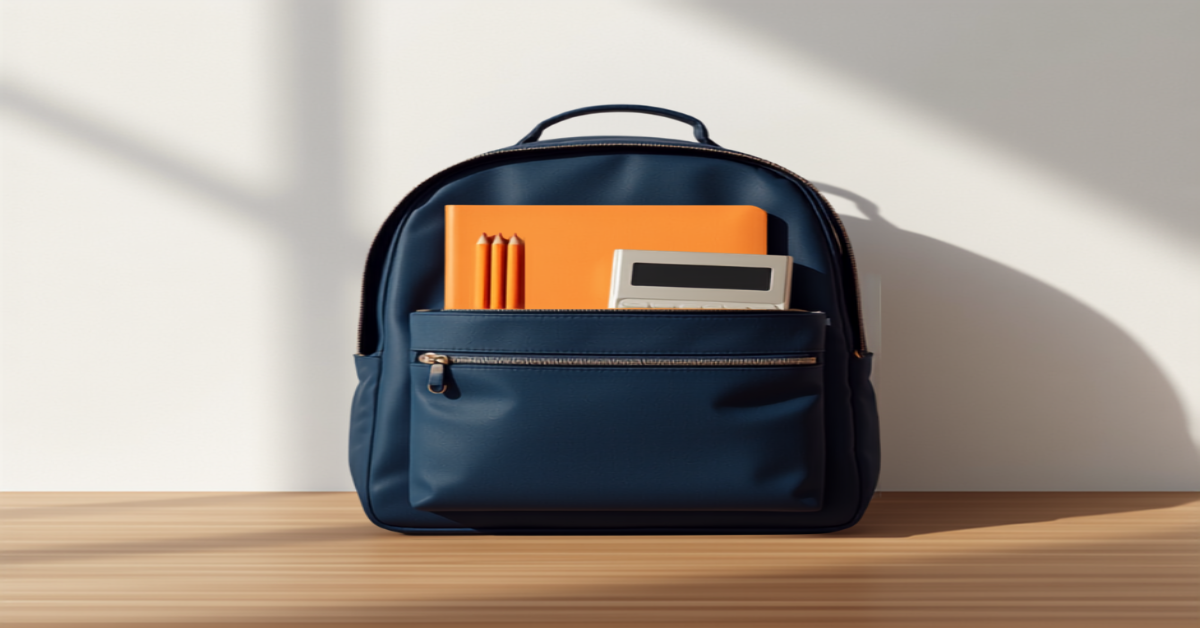
With discretionary purchases now making up more than half of the average budget, it’s worth categorizing your list into true necessities — think notebooks, a backpack that isn’t falling apart, required calculators — and everything else. Fill the necessities first, then see what’s left for extras like trendy clothing or the latest tech gadget.
3. Use Tax-Free Shopping Days and Secondhand Options
More than a quarter of shoppers plan to rely on their state’s tax-free shopping weekends this year, and about one in five will seek out free supply programs through schools or community organizations. Nearly one in five shoppers also plan to buy at least some back-to-school clothing secondhand. Stacking these strategies can meaningfully reduce your total spend without cutting corners on what your kids actually need.
4. Involve Your Kids in the Budget Conversation
Three in ten parents say they’ve talked or plan to talk with their kids about the shopping budget. Involving older children in the process, even just showing them the per-item budget for school supplies, tends to reduce impulse requests at the store and doubles as a practical money lesson.
5. Build in the Other Seasonal Expenses Too
Back-to-school season often overlaps with other seasonal costs — fall sports fees, updated wardrobes for changing weather, and sometimes the start of a new semester’s activity fees. Anticipating these bigger or seasonal expenses ahead of time and breaking them into monthly amounts helps prevent them from blowing up your budget all at once.
A Simple Back-to-School Budget Framework
If you don’t already have a system, a basic envelope-style approach works well for a short, defined shopping season like this one. Start by listing every category you expect to spend in: school supplies, clothing, shoes, electronics or a calculator, and any registration or activity fees due around the same time. Assign a dollar amount to each category based on last year’s spending plus a reasonable adjustment for this year’s higher prices, then stop spending in that category once you hit the limit.
Tracking spending in real time, even with a simple notes app or spreadsheet, makes it much easier to catch a category running over budget while there’s still time to adjust elsewhere. Families who wait until after the season to add everything up often find themselves surprised by the total, since individual purchases — a new backpack here, a graphing calculator there — rarely feel large in the moment.
Don’t Forget the Timing of Other Bills
Back-to-school spending often lands in the same few weeks as other recurring bills, which can strain cash flow even for households with a healthy overall budget. Mapping out your full August expense calendar — rent or mortgage, utilities, back-to-school purchases, and any fall sports or activity deposits — helps you see potential crunch points before they happen, rather than discovering them when an account balance runs low.
Why Budgets Fail (and How to Avoid It)
Most household budgets don’t fail because the numbers are wrong — they fail because nobody revisits them. Setting a recurring monthly check-in, even just 15 minutes to compare actual spending against your plan, is what turns a one-time budget into an ongoing habit. If back-to-school season has you rethinking your household’s overall approach to money, our guide on teaching family financial literacy covers how to build budgeting habits that extend well beyond a single shopping season.
Common Questions About Back-to-School Budgeting
What if I’ve already overspent this season?
If you’re past the point of prevention, focus on damage control: review what’s left on your list, see what can wait until a tax-free weekend or a later sale, and adjust spending in another category to offset the overage rather than reaching for a credit card if you can avoid it.
Are tax-free shopping weekends really worth planning around?
In most states that offer them, sales tax exemptions during back-to-school weekends can save a meaningful amount on larger purchases like electronics or multiple clothing items, though the savings on small individual items like pencils and folders is modest. They’re most worth planning around for bigger-ticket purchases you already intended to make.
How do I keep this budget from becoming a one-time exercise?
Treat the back-to-school budget as a template rather than a one-off. Save your category breakdown and actual spending totals so next year’s planning starts from real data instead of guesswork, and revisit the same framework for other seasonal spending spikes throughout the year, like holiday shopping or summer camp costs.
Bottom Line
Back-to-school costs are rising faster than general inflation this year, with the average family now planning to spend nearly $500 per child. Setting a firm budget before you shop, prioritizing needs over wants, and taking advantage of tax-free shopping days and secondhand options can meaningfully soften the impact. The families who come out ahead this season are the ones who plan the number before they start shopping, not after.
This article is for educational and informational purposes only and is not personalized financial, legal, or tax advice. Consult a qualified financial advisor for guidance tailored to your household’s situation.




Leave a Reply